
The world atlas of coffee
World's Best Coffee Shops


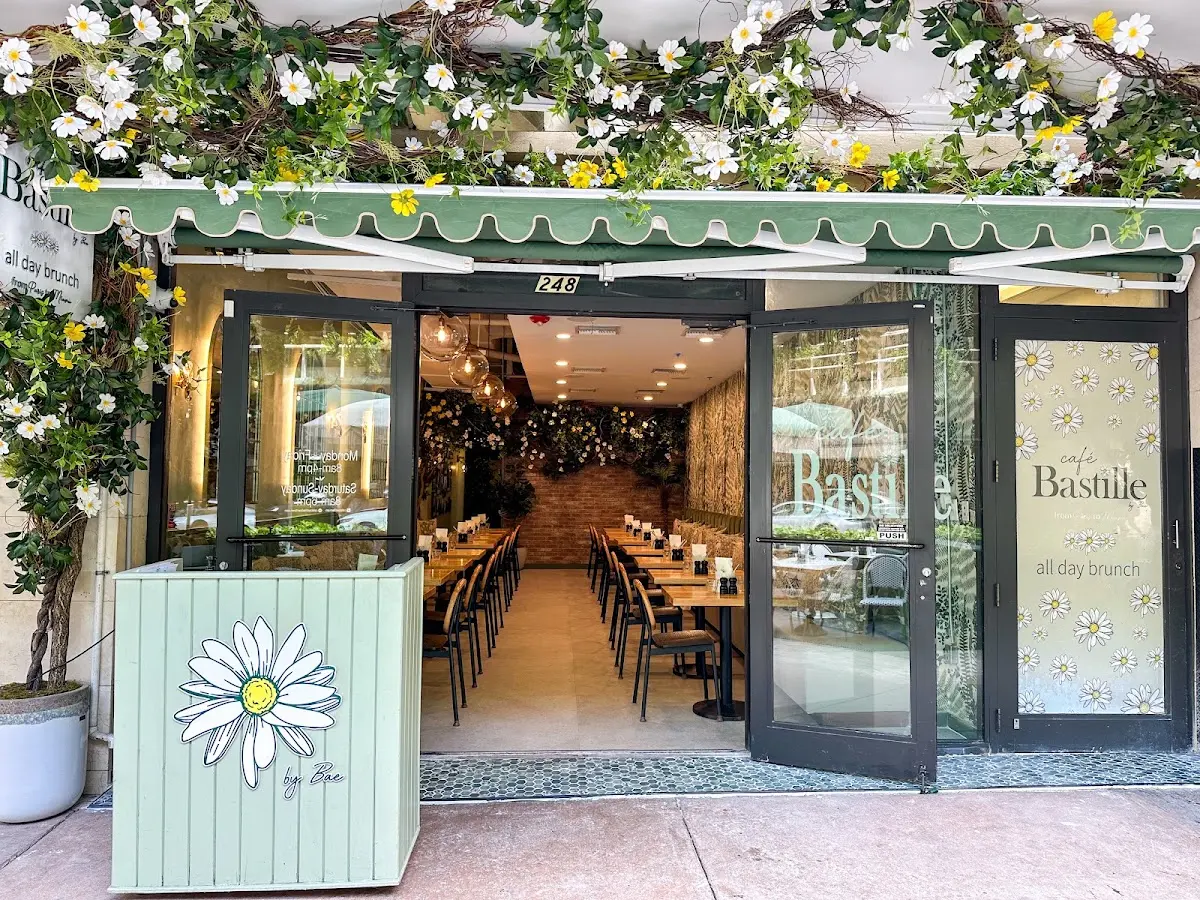


Find speciality coffee shops
Discover exceptional cafés and the cities around them.
Top 100
Top 100 best coffee shops in the World
Discover standout cafés, from specialty coffee bars to destination roasteries. Explore the list and find your next stop.


Top travel spots
Best places to visit


France
- Paris142 cafés
- Lyon20 cafés
- Marseille17 cafés


Spain
- Barcelona129 cafés
- Madrid101 cafés
- Valencia56 cafés


USA
- New York107 cafés
- San Francisco87 cafés
- Boston51 cafés


Turkey
- Istanbul41 cafés
- Ankara15 cafés
- Izmir6 cafés


Italy
- Naples48 cafés
- Rome29 cafés
- Milan20 cafés


United Kingdom
- London195 cafés
- Edinburgh27 cafés
- Glasgow24 cafés


Germany
- Berlin115 cafés
- Hamburg42 cafés
- Munich41 cafés


Japan
- Kagoshima16 cafés
- Shibuya11 cafés
- Chuo City2 cafés


Greece
- Athens61 cafés
- Thessaloníki16 cafés
- Volos6 cafés


Austria
- Vienna63 cafés
- Graz23 cafés
- Salzburg9 cafés


Thailand
- Khwaeng Lumphini7 cafés
- Khwaeng Khlong Tan Nuea5 cafés
- Khwaeng Khlong Tan3 cafés


Portugal
- Lisbon80 cafés
- Porto26 cafés
- Cascais7 cafés
JOURNAL
The coffee journal
Stories, practical guides and fresh perspectives on coffee, from brewing at home to the cafés and people shaping coffee culture.
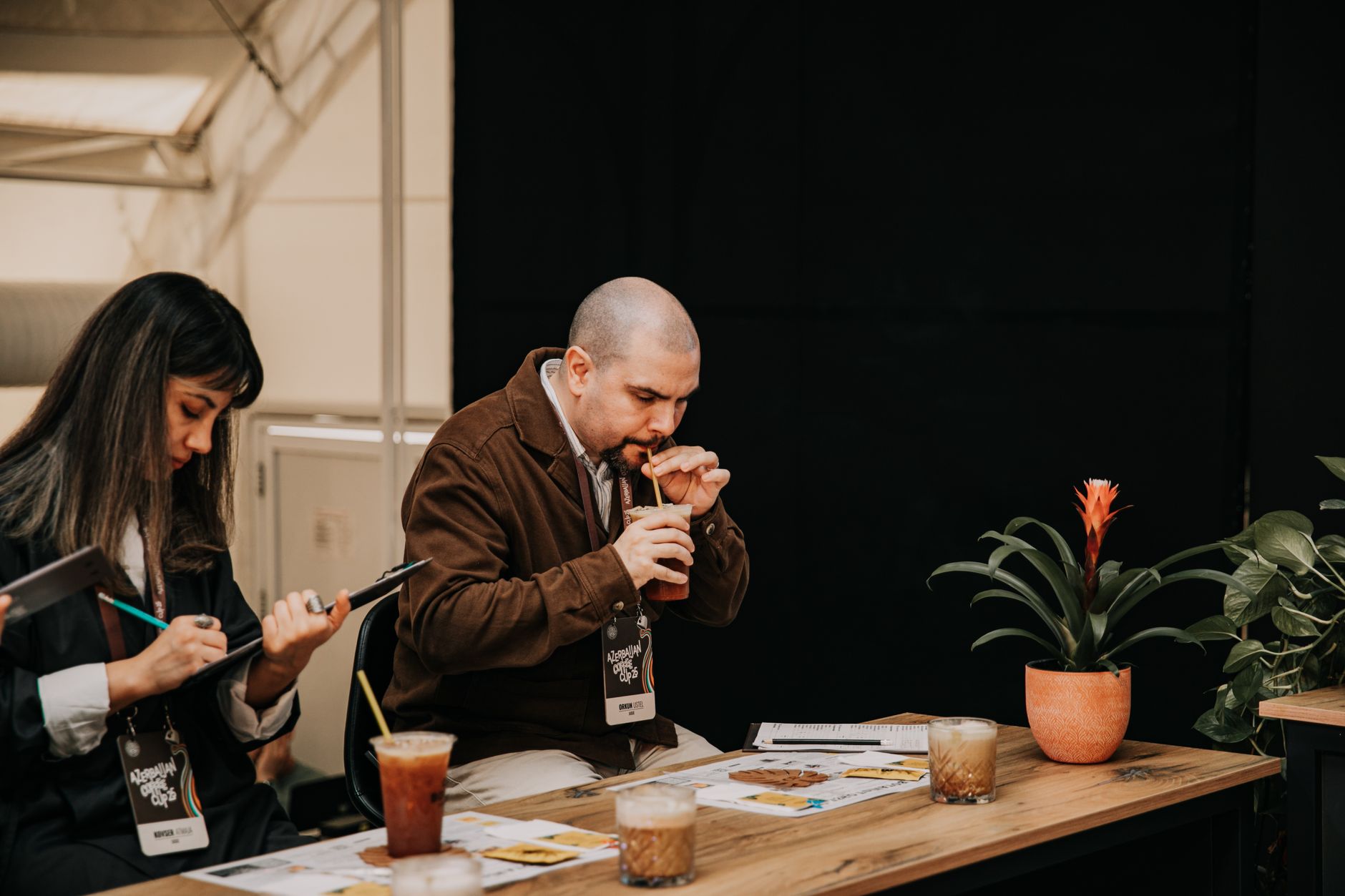
World Barista Championship: Panama 2026
The World Barista Championship lands in Panama City on 22 to 25 October 2026, the first edition in Latin America. Schedules, format, favorites and what to see.
Latest dispatches
 Guides
Why Caffeine Affects People Differently
Caffeine's half life runs from three to seven hours, and genes, age, pregnancy and medication all move it. Why the same cup can feel completely different.
Read article Guides
Caffeine and Heart Health: The AHA View
The AHA's 2026 statement finds moderate plain coffee sits comfortably with a healthy heart, with the real warning aimed at high dose energy drinks and cafestol.
Read article Guides
Does Coffee Make You Gain Weight?
A Finnish cohort of 2,264 people found heavier coffee drinkers carried less body fat and more muscle, with a distinct hormone profile. What it does not prove.
Read article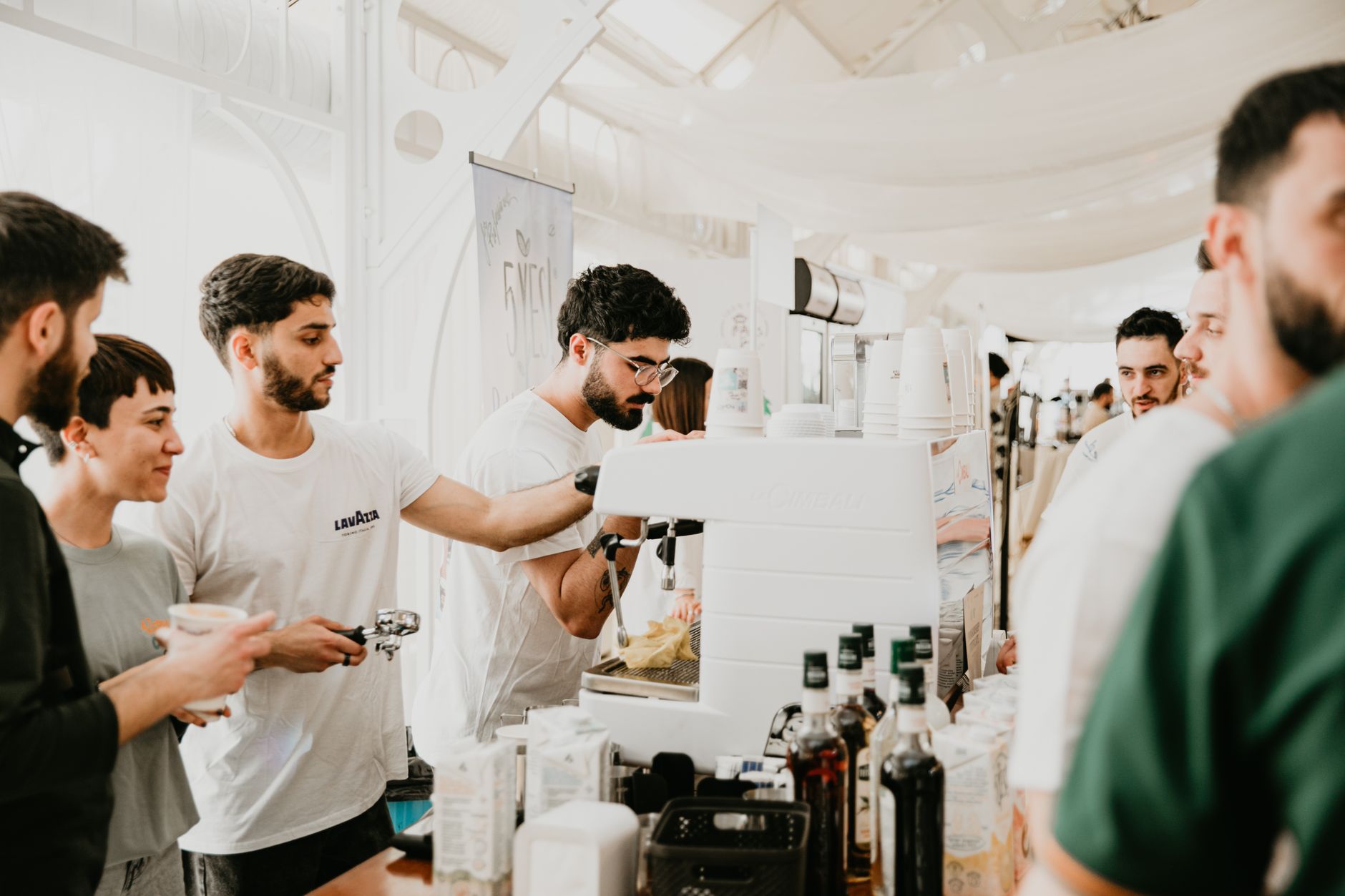 Guides
My Coffee Awards 2026: Barcelona Guide
Barcelona's My Coffee Awards runs 6 to 8 November 2026 at Nau Bostik: a festival and awards hybrid with free coffee, a barista contest and 50,000 cups served.
Read article Guides
Coffee Shop Simulators: Real or Fantasy?
Coffee shop simulators let you run a café with no rent, no staff and no bad suppliers. What they get right about coffee culture, and what they leave out.
Read article Guides
Brewing Coffee Without Gravity
Gravity does the work in every Earth bound brew. Remove it and water, vapor and aroma all behave differently, which is what made espresso in orbit so hard.
Read articleBREWING
The Brewing Atlas
Explore 31 coffee drinks and brewing traditions, from Italian espresso to Vietnamese iced coffee.
 01
 Mexico
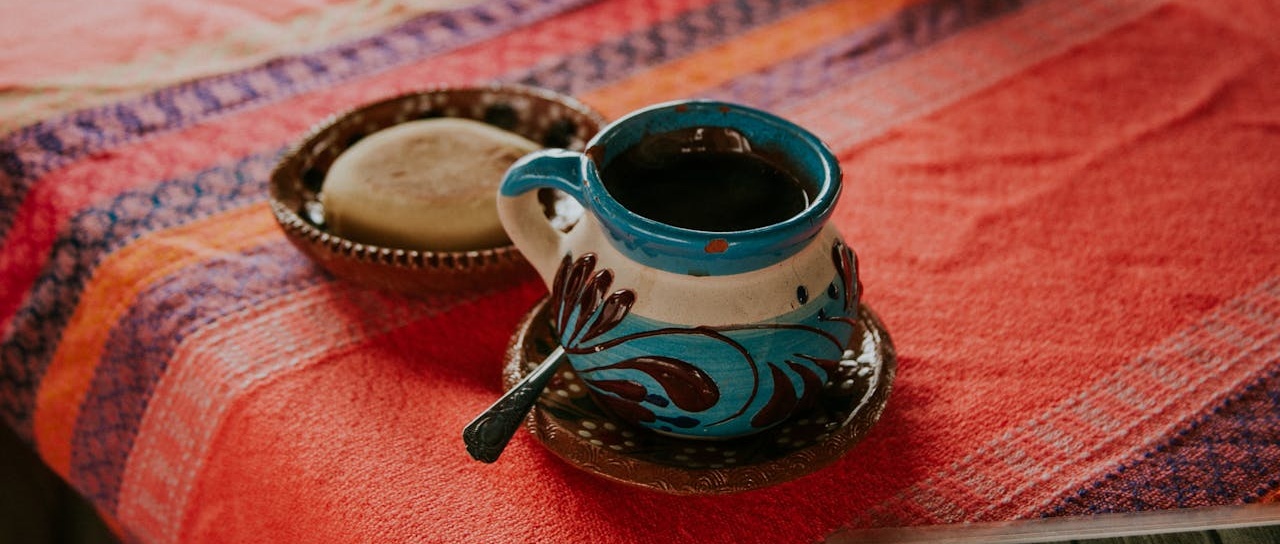
Café de Olla
Café de Olla is a Mexican spiced coffee brewed in an earthenware clay pot (*olla de barro*). The preparation combines medium-to-dark roast ground coffee with water, *piloncillo* (unrefined cane sugar shaped into a cone), cinnamon sticks, and optionally cloves or star anise. The coffee and spices are simmered together — not filtered immediately — allowing the aromatic compounds and sugar to fully integrate. The result is a warm, moderately sweet, spiced coffee with an earthen note contributed by the clay vessel. It is most strongly associated with rural and traditional Mexican domestic culture, though it is served in restaurants and cafés across the country, particularly for breakfast.
 02Torino, Italy
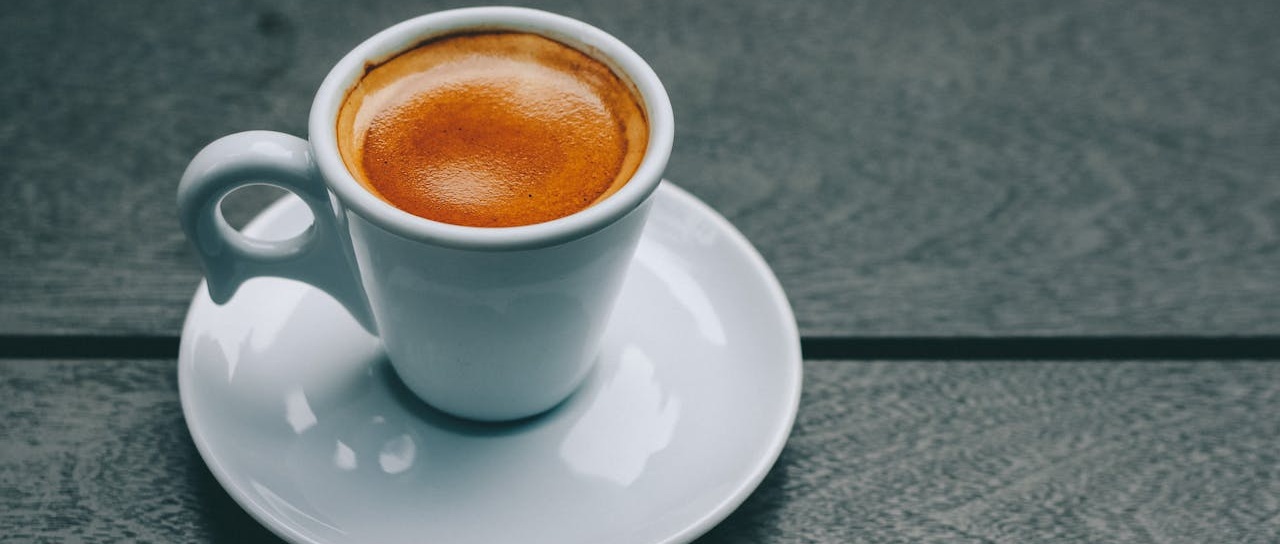
Espresso
Espresso is a concentrated coffee beverage produced by forcing hot water at roughly 9 bar of pressure through a compact bed of finely ground coffee. The result — 25–30 ml of liquid — carries a thin layer of reddish-brown crema, a colloidal emulsion of oils, gases, and proteins that defines a well-extracted shot. Originating in early-twentieth-century Turin, espresso became the technical foundation on which most modern café culture is built. It is consumed alone, sweetened, or used as the base for [[Cappuccino]], [[Cortado]], [[Macchiato]], and dozens of other preparations worldwide.
 03Italy
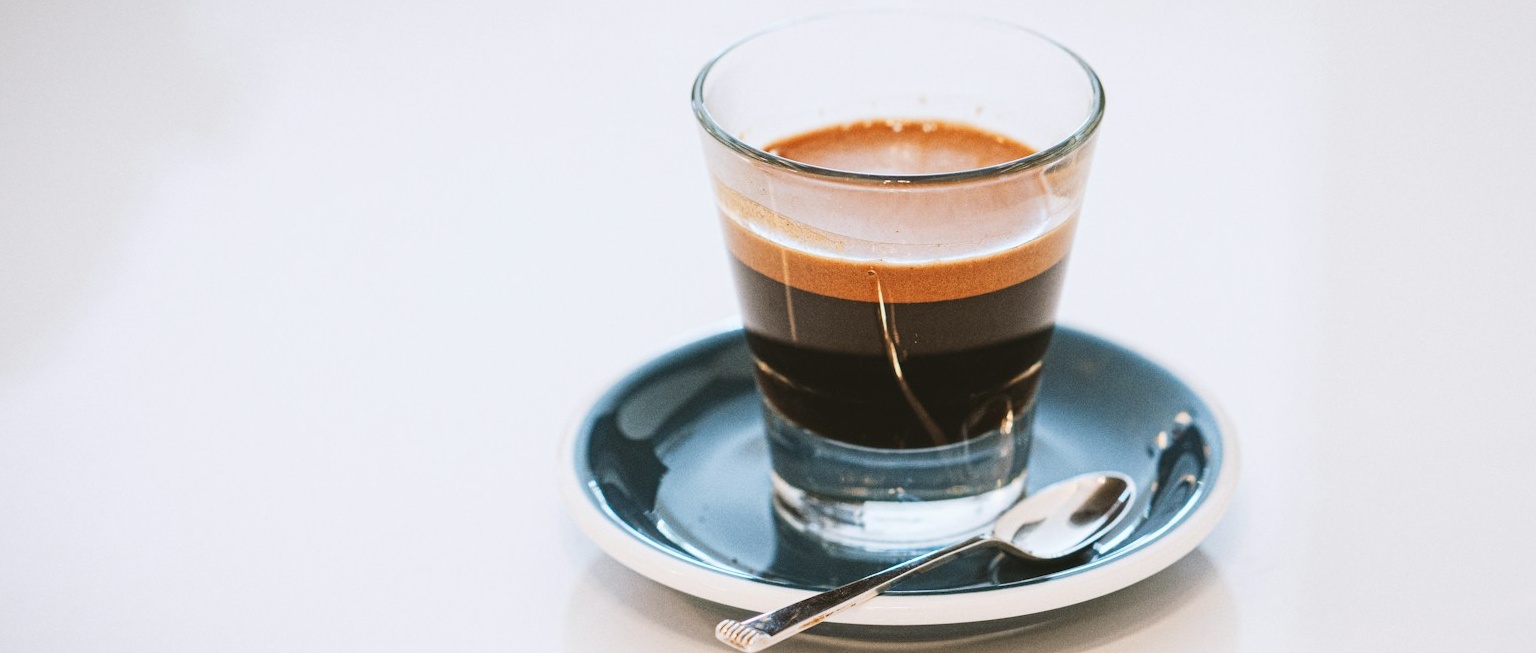
Ristretto
Ristretto is an ultra-short [[Espresso]] extraction: the same dose of finely ground coffee but only half the water — approximately 15–20 ml output rather than the standard 25–30 ml. *Ristretto* is Italian for "restricted," and the restriction applies to both volume and extraction time. Because early extraction pulls the sweetest, most soluble compounds first, a ristretto is sweeter and less bitter than a standard espresso despite being more concentrated. It is the base shot of choice in many [[Flat White]] preparations and in the most stringent Italian espresso bars.
 04
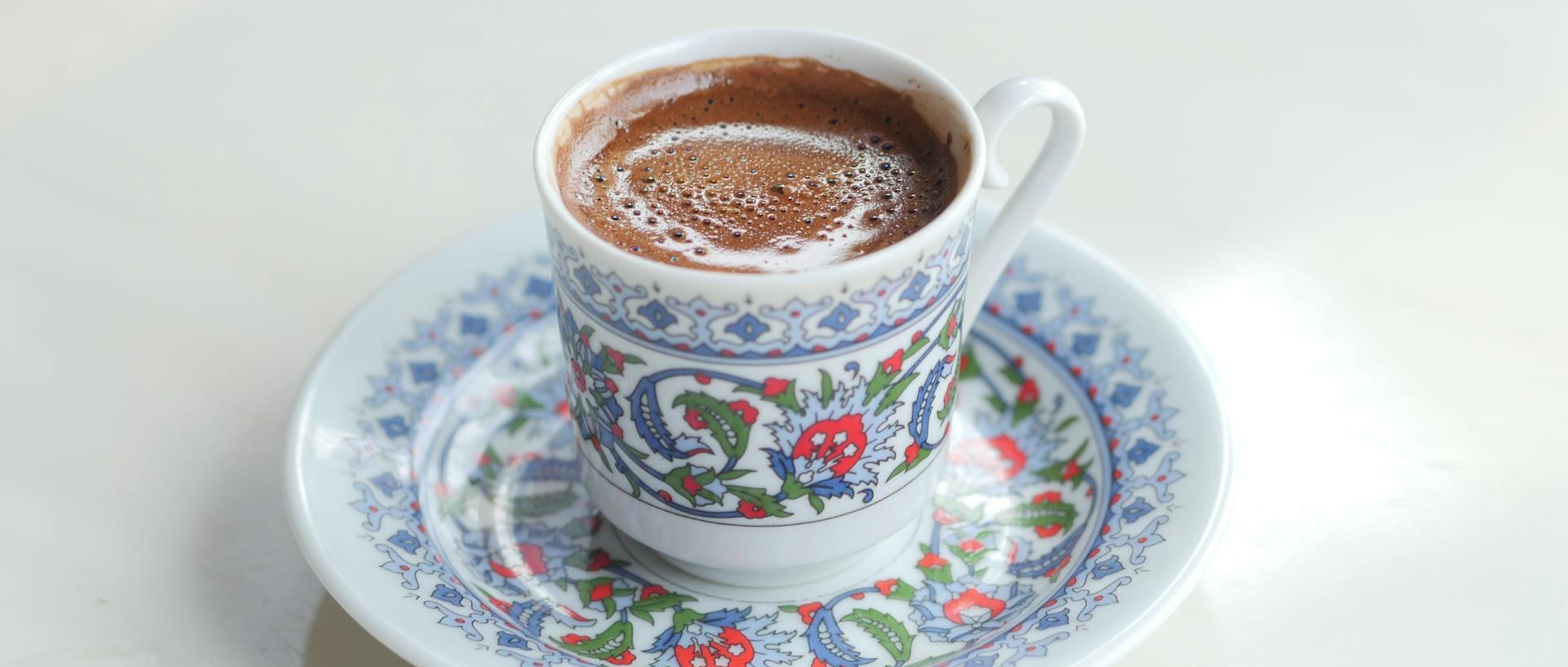
Turkish coffee (Türk Kahvesi)
Turkish coffee is one of the oldest documented coffee preparation methods in the world. Finely ground coffee — ground to a powder far finer than any espresso grind — is combined with cold water and sugar in a small copper or brass pot called a *cezve* (or *ibrik*) and brought slowly to a foam. The grounds are never filtered: they settle in the cup during the several minutes of resting time that precede drinking. Turkish coffee was the dominant preparation across the Ottoman Empire and its successor states for centuries, and it remains the everyday coffee of Turkey, Bosnia, Greece, and much of the Arab world. UNESCO inscribed Turkish coffee culture on its Intangible Cultural Heritage list in 2013.
 05
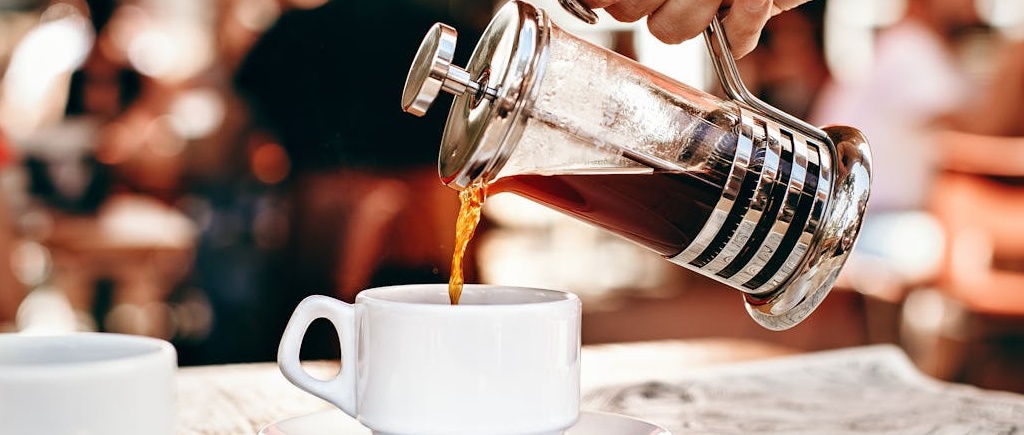
French press (Cafetière)
The French press, also known as *cafetière* (UK), *press pot*, or *plunger*, is an immersion brewing method: coarsely ground coffee steeps in hot water for 3–5 minutes, after which a metal mesh plunger is pressed down through the liquid to separate grounds from coffee. The result is a full-bodied, rich, sediment-bearing brew with a character distinctly different from filter coffee — the absence of a paper filter means coffee oils (primarily cafestol and kahweol) and fine particles remain in the cup. The French press was commercially developed in France in the 1920s and patented in various forms by Italian and Swiss inventors. It is one of the simplest, most replicable brewing methods available.
 06
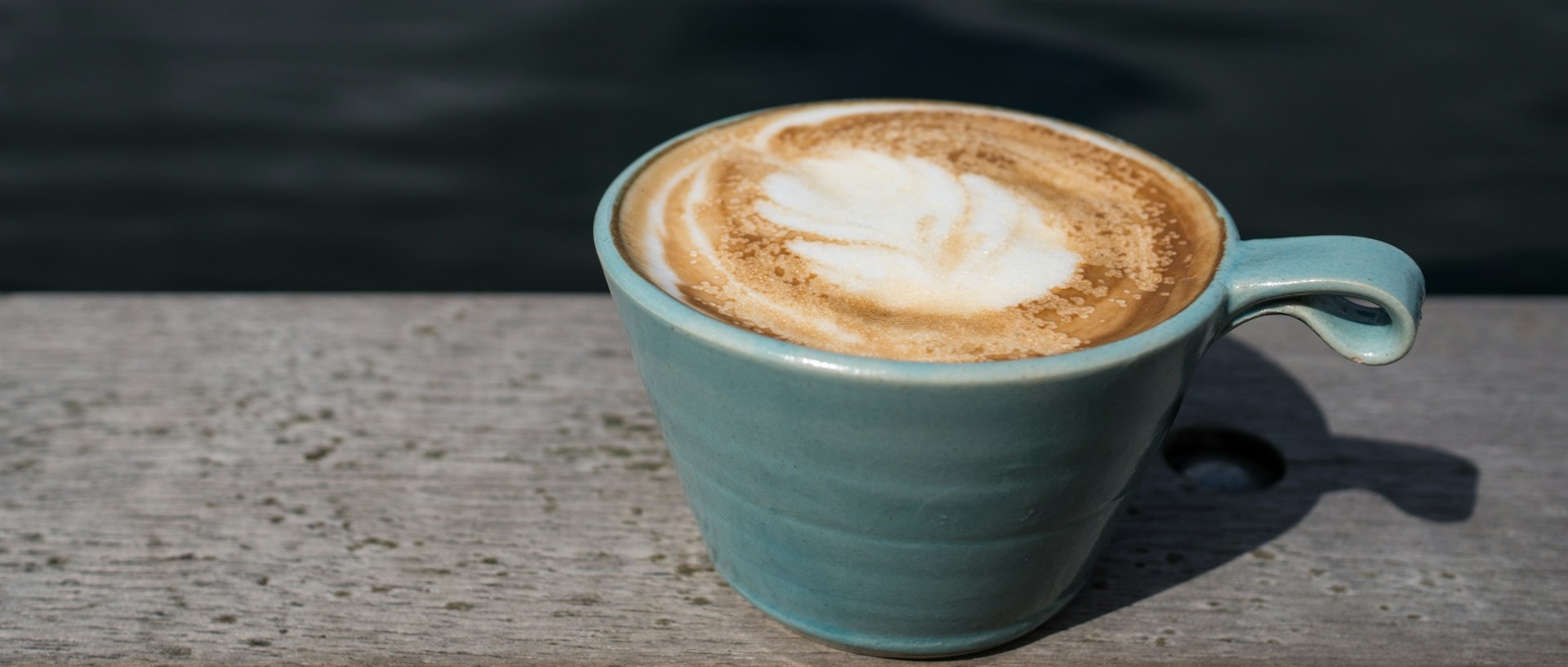
Café au lait (New Orleans Style)
New Orleans–style Café au Lait is a regional variant of the French [[Café au lait]] that uses a blend of dark-roasted coffee and roasted chicory root as its base, combined with equal parts hot steamed milk. The chicory (*Cichorium intybus*) adds a woody, slightly bitter, and earthy depth that distinguishes it from standard café au lait — it has no caffeine and contains inulin, which contributes a mild roasted sweetness distinct from coffee compounds. The drink is inseparable from the history of New Orleans, where it has been served since the French colonial period and where it is canonically consumed alongside *beignets* at the French Market's Café Du Monde. The coffee-chicory blend was born of practical necessity during the Civil War but became a defining regional flavour.
 07
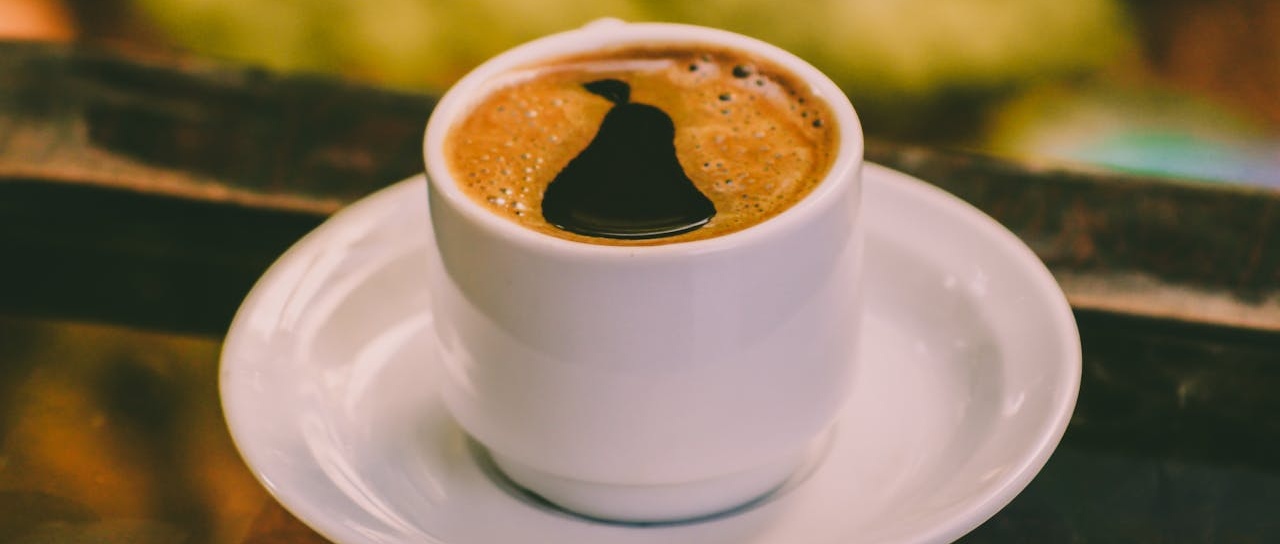
Long Black
Long Black is an espresso-based coffee originating in Australia and New Zealand, built by pouring one or two [[Espresso]] shots over hot water already in the cup. The defining characteristic — adding espresso to water rather than water to espresso ([[Caffè Americano]] reversal) — preserves the crema layer intact on the surface. This preserved crema is central to the Long Black philosophy: it maintains aromatic intensity that the Americano's dispersed crema cannot equal. A standard Long Black uses 120–150 ml of hot water and a double shot (or double ristretto), producing a roughly 180–200 ml drink with a stronger espresso character than a typical Americano.
Explore coffee
Browse all 31 coffee pages by name, country, or tradition.
REFERENCE GUIDES
Understand your coffee
Learn about coffee beans, grinding, roasting, brewing and the choices that shape the taste in your cup.