 01

The atlas
Explore specialty cafés, brewing methods, and regional coffee culture on one interactive world map.
Top travel spots
Find cafés in the cities you love, discover new destinations and see where local coffee scenes are the best.
01 02

 03

 04

 05

 06

 07

 08

 09

 10

 11

 12

BREWING
Explore 31 coffee drinks and brewing traditions, from Italian espresso to Vietnamese iced coffee.
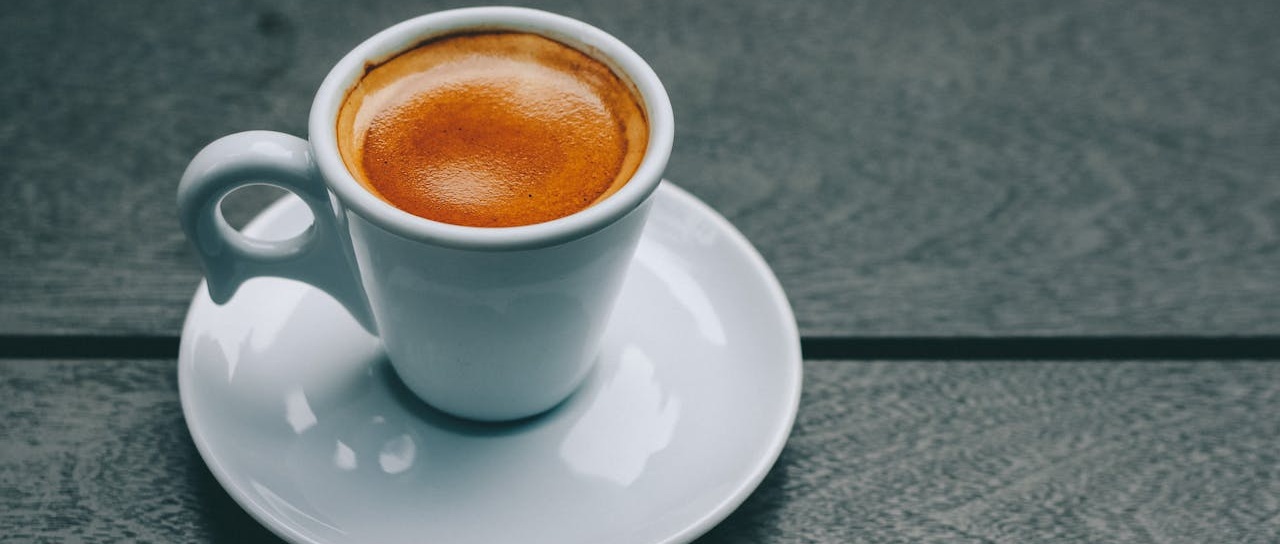 01Torino, Italy
Espresso is a concentrated coffee beverage produced by forcing hot water at roughly 9 bar of pressure through a compact bed of finely ground coffee. The result — 25–30 ml of liquid — carries a thin layer of reddish-brown crema, a colloidal emulsion of oils, gases, and proteins that defines a well-extracted shot. Originating in early-twentieth-century Turin, espresso became the technical foundation on which most modern café culture is built. It is consumed alone, sweetened, or used as the base for [[Cappuccino]], [[Cortado]], [[Macchiato]], and dozens of other preparations worldwide.
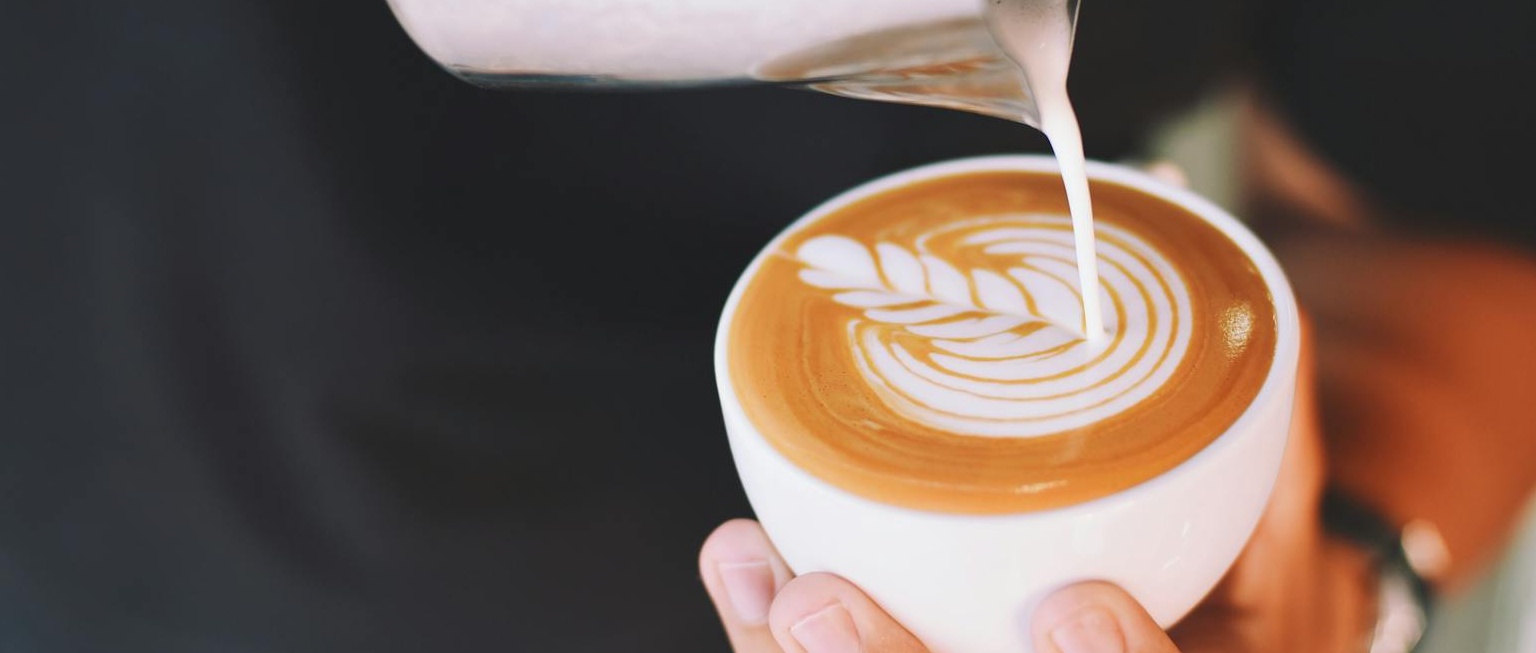 02Torino, Italy
Cappuccino is an [[Espresso]]-based beverage composed of equal parts espresso, steamed milk, and milk foam — the canonical Italian ratio produces roughly 150–180 ml in a pre-warmed ceramic cup. Originating in post-war Italian café culture, its name derives from the Capuchin friars, whose brown habits approximate the colour of the finished drink. A properly prepared cappuccino requires microfoam texture: uniformly small bubbles integrated throughout the milk rather than a thick layer floating on top. It is among the most studied and argued-over preparations in specialty coffee.
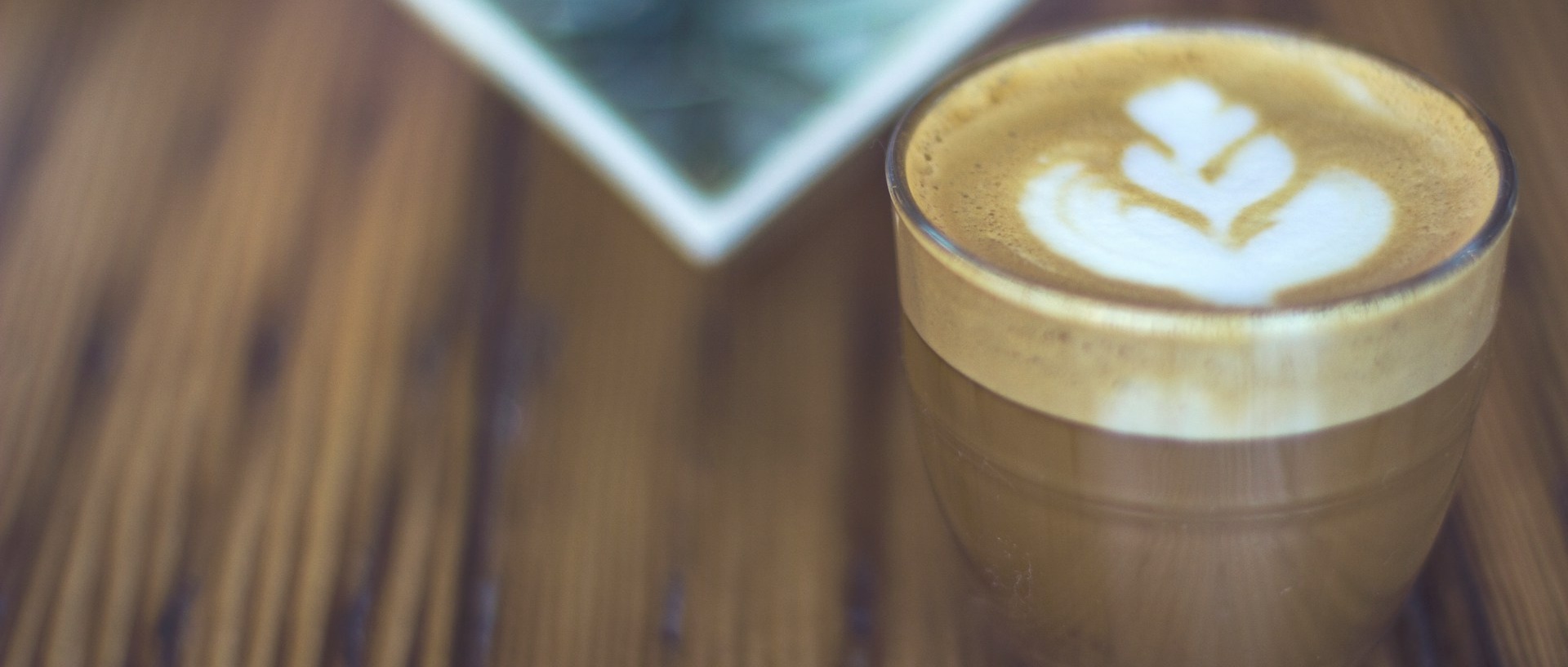 03Spain
Cortado is a Spanish espresso-based drink defined by a 1:1 ratio of [[Espresso]] to warm steamed milk. The name comes from the Spanish verb *cortar* — to cut — referring to the milk cutting the acidity and intensity of the espresso without overwhelming it. Served in a small glass (roughly 60–90 ml total), the cortado occupies the space between a [[Macchiato]] and a [[Flat White]]: more milk than a macchiato, considerably less than a latte. Its origins trace to the café culture of northern Spain, particularly the Basque Country.
Explore coffee
Browse all 31 coffee pages by name, country, or tradition.