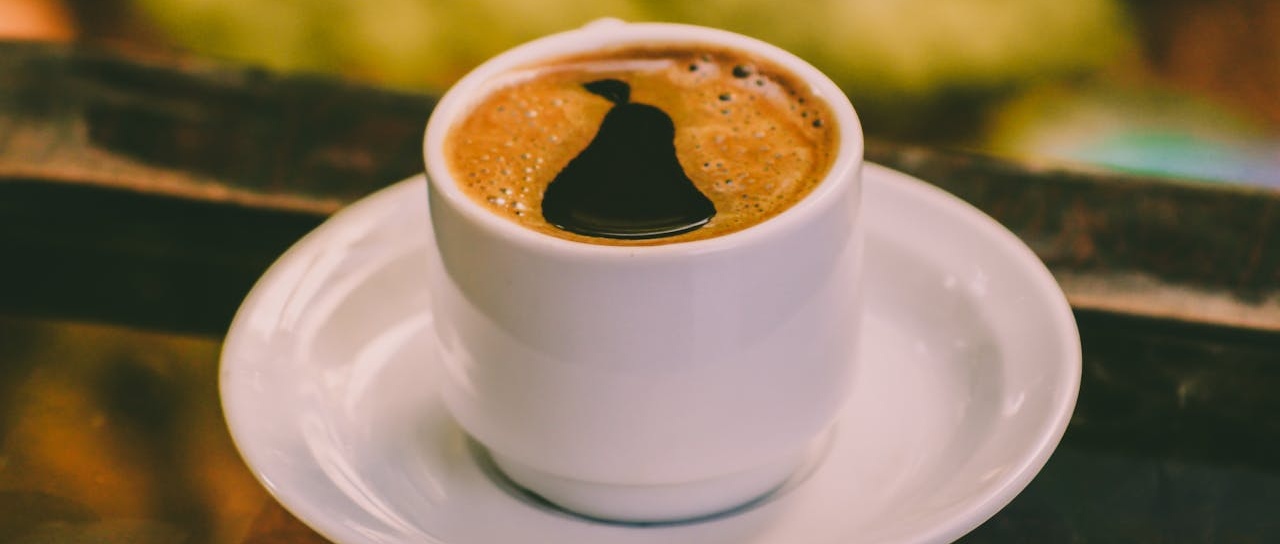
Cafezinho is Brazil's answer to the question of how coffee should be consumed daily: small, hot, sweet, strong, and social. It is not a specialty preparation — there is no barista technique to master and no premium equipment required — but its ubiquity and cultural weight make it among the most important coffee preparations in the world by volume of daily consumption.
Origin and history
Brazil became a coffee producer in the early 18th century, when Francisco de Melo Palheta smuggled coffee seeds from French Guiana in 1727 (legend holds that the wife of the French governor gave them to him). By the mid-19th century Brazil was the world's dominant coffee exporter, and has remained so ever since — producing approximately 30–35% of the world's coffee supply.
The cafezinho tradition developed as domestic coffee culture spread through all social classes. The cloth filter (coador) replaced the French press and percolator as the standard household method, and sugar became an integral component — added to the grounds during brewing to partially caramelise, producing a different sweetness profile than sugar added to the cup.
The cafézinho as a cultural institution also became a business ritual: Brazilian companies employ copeiras (coffee servers) whose specific role is to circulate through offices with fresh cafezinhos, and accepting one serves as a marker of collegiality.
Technical structure
- Coffee: Dark-to-very-dark roasted Brazilian arabica or arabica/robusta blend, ground fine-to-medium. Brands such as Melitta, Pilão, and 3 Corações are the commercial standards.
- Filter: Traditional cloth filter (coador de pano) stretched over a metal or wooden frame above the cup or carafe. Paper filters are common modern substitutes.
- Sugar: Added to the dry grounds before hot water is poured — typically 1–2 teaspoons per cup. This allows partial caramelisation during brewing.
- Water: Boiling or near-boiling (95–100 °C), poured slowly over the grounds.
- Volume: 50–80 ml per serving. Espresso-sized, not filter-sized.
Why sugar during brewing matters
Sugar added to dry grounds before extraction undergoes partial Maillard reactions and caramelisation at the high temperature of the poured water. This produces a different sweetness profile than sugar dissolved in a finished cup — softer, with slightly more caramel character, and better integrated with the coffee's own flavour. The technique is similar in principle to the Café Cubano espumita method, though less vigorous.
Cafezinho vs. espresso
Both are small, concentrated, and consumed hot. The cafezinho uses a filter (cloth or paper) rather than pressurised extraction — no crema forms. The cloth filter allows oils through, producing a heavier body than paper-filtered coffee but less than French press or Turkish coffee. The result is softer and more rounded than espresso, with less intensity but more sweetness.
Best served as
In a small ceramic or plastic cup (60–80 ml), very hot, sweet unless the guest specifies otherwise. Offered immediately upon a guest's arrival, at all hours. In a business context, served on a small tray with no additional accompaniment. Sem açúcar (without sugar) is the appropriate order for those who prefer it unsweetened — but it remains unusual.
How to prepare
- Prepare the cloth filter (coador de pano): dampen it with hot water, squeeze dry. A dry cloth filter produces a papery, uneven flow.
- Add ground coffee (8–10 g per 100 ml, medium-fine grind) to the filter. Add 1–2 teaspoons of sugar directly to the dry grounds.
- Boil water and allow to stand for 30 seconds (95 °C).
- Pour slowly over the grounds in 3–4 additions, allowing each to drip through before adding more.
- Serve immediately in a small ceramic cup (60–80 ml). Very hot is standard.
What to avoid
- Paper filter substitution. A paper filter removes the coffee oils that give cafézinho its characteristic weight. Cloth filters (or no filter) are traditional. Paper produces a lighter, cleaner result — different, not wrong, but not cafézinho.
- Pre-ground commercial coffee stored too long. Cafézinho uses darker, finer-ground coffee that oxidises quickly. Buy small quantities and use within 1–2 weeks of opening.
- Cold serving. Cafézinho is always served very hot. Warm cafézinho is considered a poor preparation.
- White sugar added after brewing. The traditional method adds sugar to the grounds before brewing for a partially caramelised sweetness. After-the-fact sugar is a different flavour result.
Tips
- Pilão, Melitta, and 3 Corações are the three dominant domestic brands in Brazil. Pilão is the darkest roast, most traditional for cafézinho.
- The cloth filter improves with use — an old, well-seasoned coador flows better and imparts no flavour. Wash with hot water only, never soap.
- In a Brazilian office context, the copeira keeps the coffee at the ready all day in a thermal jug. The ritual of receiving a cafézinho is about the gesture as much as the coffee.
 Sao Paulo, Brazil