Café Cubano was born from necessity and became ritual. When Espresso culture arrived in Cuba through Italian immigrants in the early 20th century, local practice adapted the preparation to the preference for sweetness that characterises Cuban coffee culture — adding raw cane sugar not as an afterthought but as an integrated step in preparation that alters the physical structure of the drink.
Origin and history
Cuba's coffee history dates to the 18th century, when French colonists fleeing the Haitian Revolution brought coffee cultivation to the eastern provinces. By the 19th century Cuba was a significant producer. The espresso machine arrived via Italian immigration in the early 20th century, and Cuban baristas quickly adapted the Italian preparation to local tastes by incorporating sugar into the extraction process.
The technique of adding sugar before the shot — creating espumita — is specific to Cuba and the Cuban-American communities of South Florida. It transforms the bitter-sweet profile of espresso into something richer, with the sugar caramelising slightly under the heat and pressure of early extraction.
Technical structure
- Coffee: Dark-roasted Espresso blend, finely ground. Cuban brands such as Pilon, Bustelo, and La Llave are traditional choices.
- Sugar: 1–2 teaspoons raw cane sugar per shot, placed in a small cup before extraction begins.
- Extraction: The first 5–10 ml of espresso falls on the sugar; this is immediately stirred rapidly until a thick golden foam forms.
- Final shot: Remaining espresso poured over the foam.
- Volume: 25–30 ml — a single shot format.
Espumita
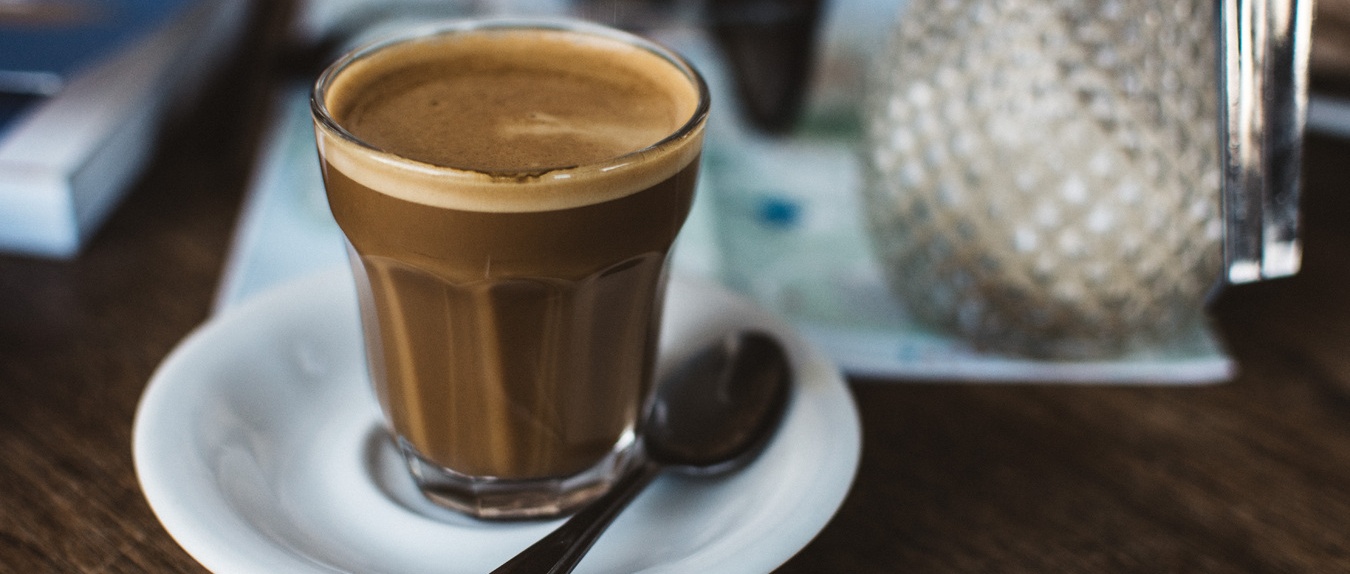
The foam formed by vigorously stirring early espresso with cane sugar is not the same as crema — it is a coffee-sugar emulsion. The dissolved and partially caramelised sugar stabilises microscopic bubbles and oils from the early extraction phase, creating a foam that persists much longer than standard crema and carries a distinct caramel sweetness.
Variants
- Cortadito: Café Cubano cut with hot steamed milk — a smaller Cortado equivalent.
- Colada: A larger (100 ml) Café Cubano served in a polystyrene cup with several small plastic cups for sharing — a communal format unique to Cuban-American café culture.
Best served as
In a small 30–40 ml ceramic or plastic cup, consumed standing. In Miami's Little Havana, it is ordered through a café window (ventanilla) and drunk immediately. No water accompaniment is traditional; the drink is short and sweet enough to require none.
How to prepare
- Set up your espresso machine with finely ground dark-roast Cuban-style coffee in the portafilter.
- Place 1–2 teaspoons of raw cane sugar in a small metal or ceramic cup (the serving cup itself).
- Start the extraction. As the first 5–10 ml of espresso drops onto the sugar — stop the machine or divert the flow briefly.
- Stir vigorously with a small spoon for 20–30 seconds. The sugar absorbs the concentrated early espresso and turns into a thick, golden-brown paste.
- Resume extraction (or restart). Pour the remainder of the shot over the foam.
- Gently fold the crema-sugar foam into the final shot with one or two slow stirs. Do not collapse the foam entirely.
What to avoid
- Adding sugar after the shot is pulled. Standard sugar added to finished espresso does not produce espumita. The foam is created by the interaction of concentrated early extraction with undissolved sugar.
- Refined white sugar. Raw cane sugar (turbinado, demerara, or genuine piloncillo) produces a more stable, richer foam. White sugar works but produces a thinner result.
- Not stirring vigorously enough. The espumita requires aggressive stirring in a small volume to produce the characteristic caramel-coloured foam. 20–30 seconds minimum.
- Serving in a large cup. Café Cubano is defined as a small (25–30 ml) sweet shot. Scaling up changes the identity of the drink.
Tips
- Cuban brands (Café Bustelo, Café Pilon, La Llave) are ground finer than most espresso and designed for the moka pot, which is an acceptable alternative to an espresso machine for Café Cubano at home.
- Moka pot method: Prepare as above, pulling the first small amount of moka pot output onto the sugar before the main flow.
- The espumita colour should be golden-amber, not white or pale. Too pale means insufficient coffee contact; too dark means the sugar is scorching.