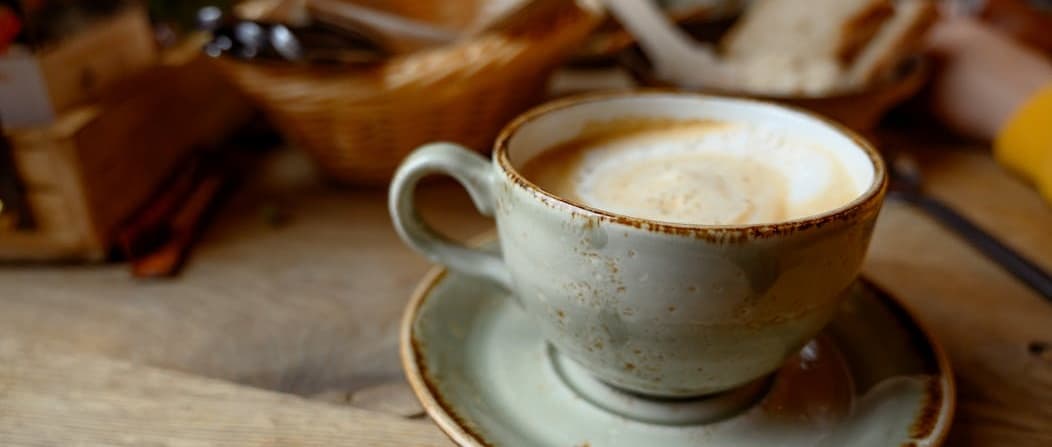
Wiener melange

Wiener Melange is a traditional Austrian coffee that balances the taste of espresso or lightly brewed coffee with steamed milk and milk foam. It is often compared to Cappuccino because technically it is a variation of Cappuccino, which focuses on strong espresso flavors. However, the Melange has a gentler, creamier taste, making it a favorite for those who enjoy light coffee in any part of the day.
Contents
- Origin and History of Wiener Melange
- Coffee Beans and Caffeine Content of Wiener Melange
- Ingredients
- How to Make Wiener Melange
- Wiener Melange Variations
- Wiener Melange Facts and Trivia
Origin of Wiener Melange
The origins of Wiener Melange trace back to 19th century Vienna. The term “Melange” means “mix” in French, reflecting the drink’s ingredients of coffee and steamed milk. Wiener Melange was inspired by the Kapuziner coffee, which was in turn, like in the case of Cappuccino, inspired by the Capuchin friars, a group of Catholic monks that originated in 16th century Italy. Kapuziner was popular in 18th century Austria, and is considered a earlier version of Cappuccino, Kapuziner combined coffee with cream and sugar, giving a sweet, creamy texture similar to today’s Wiener Melange.
Coffee Beans and Caffeine Content of Wiener Melange
Wiener Melange is typically made using light or medium-roasted Arabica coffee beans, known for their flavor. Just like in most other coffee's there are variations that might blend a small amount of Robusta beans, adding the kick and caffeine, but this is not common. The caffeine content of Wiener Melange is moderate compared to other espresso-based drinks, because it usually uses a single shot of espresso or some other coffee (light) base. When prepared with one shot of espresso, the Wiener Melange contains about 80 mg of caffeine.
Ingredients
- 1 shot of espresso (or around 50ml - 1.7oz lightly brewed coffee)
- 1/2 cup steamed milk (around 50ml - 1.7oz)
- 1/4 cup milk foam(30ml or 1oz)
- Sugar (optional)
- Whipped cream (optional)
- Cocoa powder for garnish (optional)
How to Make Wiener Melange
- Prepare Espresso or Lightly Brewed Coffee: A single espresso shot or lightly brewed coffee serves as the base.
- Add Steamed Milk: Warm milk and add it to the coffee in a 1:1 ratio
- Add Milk Foam: Then top the drink with a layer of milk foam.
- Optional Sugar: Sweeten the coffee depending on your preference, or add whipped cream (unsweetened is most commonly used)
- Optional Cocoa Powder: Add if you prefer some cocoa to your coffee. It usually goes best with whipped cream.
A classic Wiener Melange is usually around 130-180 ml in size.
Check out this simple video on how to prepare Wiener Melange:
Wiener Melange Variations
While the traditional Wiener Melange follows a set ratio of 1:1 coffee to milk, several other variations exist:
- Vienna Chocolate Melange: A version that combines an espresso shot with hot chocolate, topped with whipped cream for a dessert-like drink.
- Nutty Melange: By adding almond or hazelnut syrups, this version adds nutty flavor to the drink.
- Spiced Melange: Adding cinnamon or nutmeg over the foam transforms Melange into a Christmas drink.
- Alcoholic Melange: After adding a splash of coffee liqueur or brandy, the Melange becomes something of a light cocktail.
Wiener Melange Facts and Trivia
- UNESCO Cultural Heritage: Vienna’s coffeehouse culture was added to UNESCO’s list of Intangible Cultural Heritage in 2011.
- Traditional Food: Wiener Melange is commonly enjoyed with Austrian apple strudel or Sachertorte.