Ristretto
 Italy
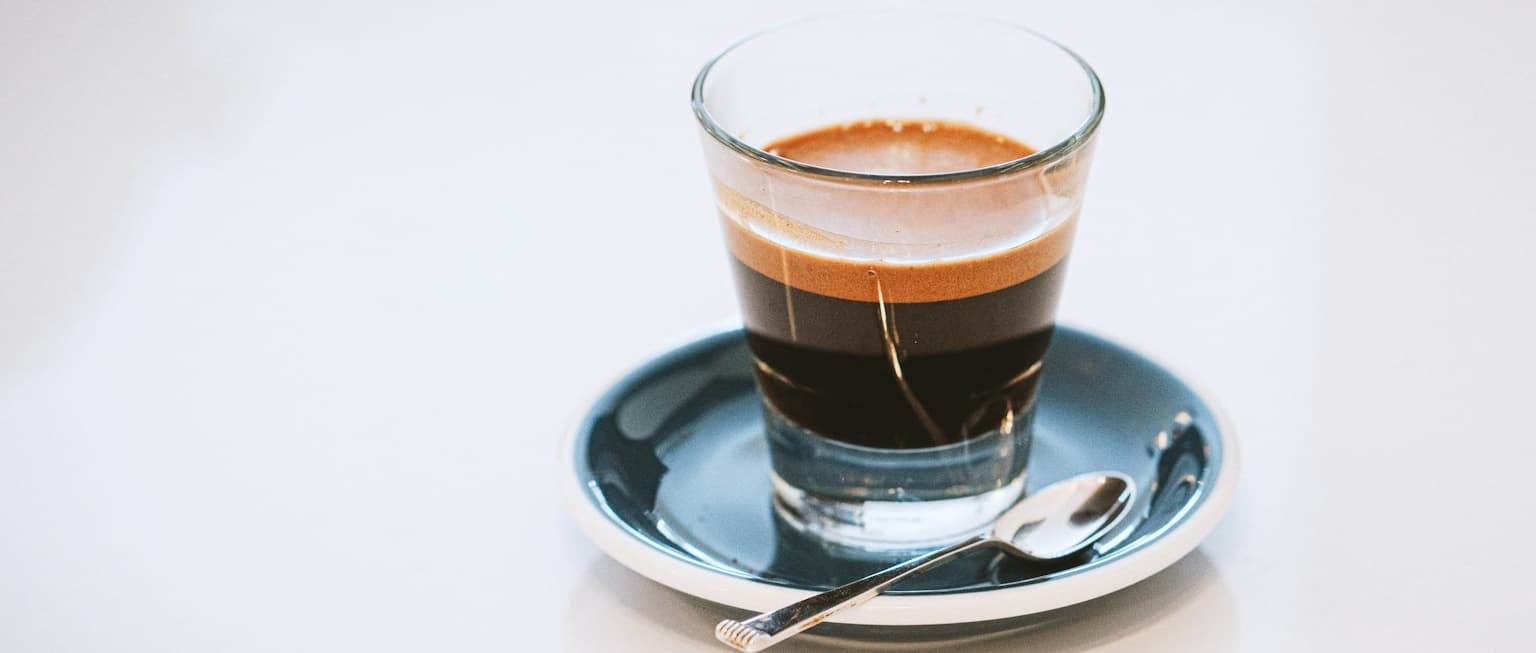
ItalyRistretto is a short and concentrated espresso shot known for its intense flavor. The term “ristretto” is an Italian word that means “restricted”, referring to the limited amount of water used for brewing. Ristretto uses about half the time and water that a typical Espresso would use.
Contents
- Coffee Beans and Caffeine Content in Ristretto
- Origin and History of Ristretto
- What's the Difference? Ristretto vs. Espresso
- How to Make a Ristretto
- Variations of Ristretto
- Ristretto Facts and Trivia
Coffee Beans and Caffeine Content in Ristretto
Ristretto is generally made using the same finely ground coffee beans used for espresso, which means a blend of arabica for taste and robusta for increased caffeine content. Due to its short brewing time and small amount of water used, the content of caffeine in Ristretto is slightly lower compared to a regular Espresso. However, due to its intense concentration, many people perceive Ristretto as stronger among the two due to its more intense taste, even though it contains less caffeine.
Origin and History of Ristretto
Ristretto originated in Italy, where espresso culture is a part of daily life. It was developed as a way to extract the most intense flavors from coffee in a short amount of time. In Italian cafés, Ristretto is served as a quick coffee to drink standing up, meant to be consumed in a single sip.
What's the Difference? Ristretto vs. Espresso
While both drinks use the same coffee beans and brewing methods, the main difference between a Ristretto and a regular Espresso lies in the amount of water and brewing time. Ristretto is brewed with half the water used for espresso, making it more concentrated and intense. If a typical Espresso is extracted for about 25 seconds, then Ristretto is typically done in about 10–15 seconds, cutting off the extraction before the water begins to dilute the rich flavor.
How to Make a Ristretto
Making a Ristretto at home follows the same process to pulling a standard espresso, with a few adjustments:
- Grind: Start with finely ground coffee, same as what you use for espresso.
- Measure: Use the same amount of coffee grounds as for espresso (usually 20 grams), but reduce the amount of water to about 15-20 ml.
- Brew: Start brewing using the espresso machine, but stop the extraction at about 15 seconds.
Watch this video for a step-by-step guide on how to make a Ristretto at home:
Variations of Ristretto
Though Ristretto is traditionally served as a plain shot of concentrated coffee, just like Espresso, it is used as a base for other drinks:
- Ristretto Macchiato: A Ristretto shot topped with a small amount of foamed milk, smoothing the intense Ristretto flavor.
- Ristretto Americano: A Ristretto shot diluted with hot water, typically when espresso machine was let to run for a longer time, the result is similar to an Americano but with a different base.
- Ristretto in Latte: In this variation, Ristretto is used as a base for a latte. Assuming it is an Italian Caffe Latte used as comparison, the Ristretto in Latte would have a 1:2 base ratio difference compared to milk, resulting in a bit more intense flavor than a standard Caffe Latte, however for a bit smaller drink but bolder flavor, you can go in a 1:1 ratio like the French do it in Café au Lait.
Ristretto Facts and Trivia
- Intensity: Ristretto is less bitter than espresso because the shorter brewing time extracts fewer bitter compounds from the coffee beans.
- Popular in Specialty Coffee: In the world of specialty coffee, Ristretto is sometimes preferred for its purity of flavor.
- Misconceptions: Many believe that Ristretto has more caffeine due to its stronger taste, but it actually contains slightly less caffeine than a regular espresso shot.