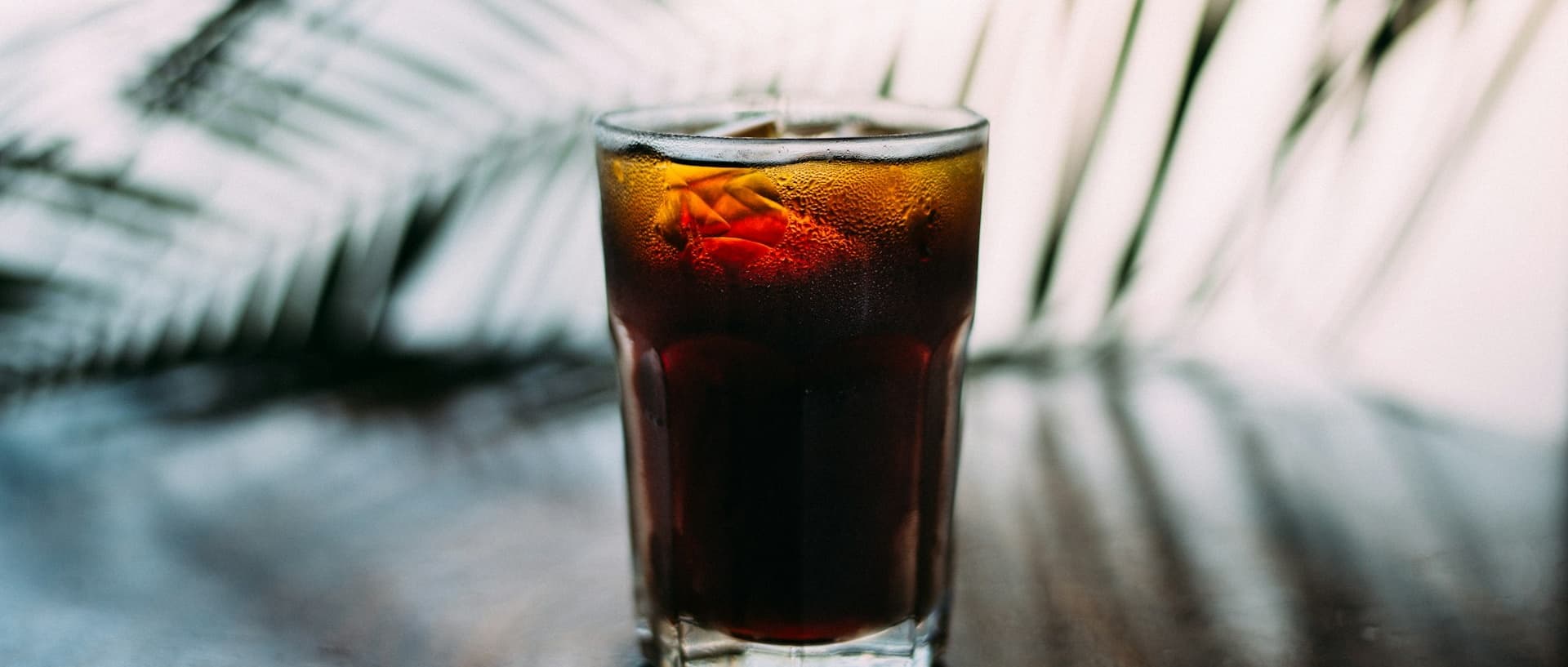
Mazagran
 Algeria
Mazagran is the world's first iced coffee drink. It originated from Algeria and it was popularized in France during the French colonization of North-West Africa. Mazagran is a blend of ice coffee that sometimes involves a touch of lemon like in Spain, or is served with rum like in Austria and Portugal.
Contents
- Origin and History of Mazagran
- Ingredients
- Mazagran Recipe and Preparation
- Variations
- Serving and Presentation
- Mazagran Facts and Trivia
Origin and History of Mazagran
Mazagran was introduced in the 19th century during the French colonization of Algeria. French soldiers that were stationed in the fortress of Mazagran, a town in North West Algeria, had created this cold coffee drink to help them battle with the intensive heat. The first major usage of Mazagran was by the French Foreign Legion, where they prepared the Mazagran to help them stay awake and battle the heat during the siege of Mazagran, in the 1840 war. When the soldiers returned to France, they brought the recipe with them, offered it to cafés in Paris but asked them to serve it in tall glasses. In France, the drink includes lemon and sometimes rum, creating a coffee drink that is perfect for a warm day. Mazagran quickly became popular in cafés across France, especially during the summer months on the French Riviera, marking the world introduction to ice coffee's we know today.
Ingredients of Mazagran
- 1/4 cup (60 ml or 2 oz) strongly brewed coffee. In France, espresso or French press are commonly used.
- 1/4 cup (60 ml or 2 oz) freshly squeezed lemon juice, plus more to taste.
- 2 tablespoons (25 g or 0.88 oz) granulated or superfine sugar, or 3 tablespoons (45 ml or 1.5 oz) simple syrup.
- Lemon slices for garnish.
- Ice.
Mazagran Recipe and Preparation
Creating Mazagran is simple as all ingredients are found in a common (Algerian) kitchen:
- Brew Strong Coffee: Start by brewing strong coffee
- Chill the Coffee: Allow the coffee to cool, or pour it over ice immediately after brewing.
- Add Lemon and Optional Sweetener: Squeeze a slice of lemon into the coffee, adjusting the amount to taste. Add the sugar if desired to sweeten the lemon taste, stir the sugar until it dissolves.
- Optional: Add a Splash of Rum: Some variations (Austrian version) include a small amount of rum for an extra kick, blending the flavors uniquely.
Serve Mazagran cold, over ice, in a tall glass, and garnish with a lemon slice or for a touch of elegance.
To learn how to make Mazargan by yourself watch this short video for more details:
Variations
Mazagran has inspired numerous variations that add interesting twists to its original recipe:
- Portuguese Mazagran: This version is also called Portuguese iced coffee, and it includes rum and sugar.
- Austrian Mazagran: In Austria, Mazagran is prepared with rum and is typically downed “in one gulp”.
- Spanish Mazagran: In the regions of Catalonia and Valencia, a lemon peel is added to Mazagran. This version is locally called "Café del temps" (Catalonia) or "Café del tiempo" (rest of Spain), meaning "weather's coffee".
- Modern Lemon Iced Coffee: Many coffee shops today offer a similar beverage by combining espresso with lemon and simple syrup.
- Herbal and Citrus Mazagran: Some variations infuse Mazagran with additional herbs like mint or spices like cardamom.
Serving and Presentation
Mazagran is served in a tall glass over ice, with a slice of lemon on the side. Traditionally, it’s presented as a refreshing, simple beverage with minimal adornments. However, modern takes on Mazagran might include fresh herbs like mint leaves or even a hint of sparkling water for a bubbly twist. Whether enjoyed in a café or made at home, the presentation is meant to be inviting and cooling.
Mazagran Facts and Trivia
- Mazagran is the First Iced Coffee in the world: Mazagran is credited as the first iced coffee, a predecessor to all popular cold coffee drinks today.