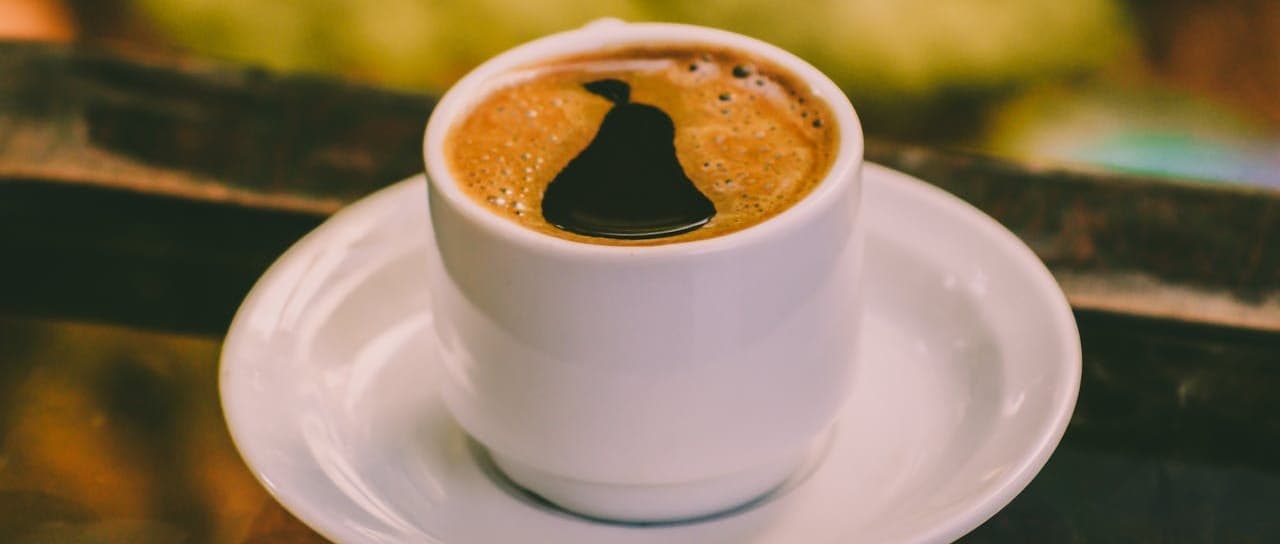
Long Black

Long Black is a coffee that originated in Australia and New Zealand. It was created as an alternative to the Americano, with a key difference: hot water is added first. This difference helps in preserving the rich espresso flavor and its crema. This gives the Long Black a strong, intense taste and makes it a favorite for those who enjoy a bold coffee experience.
Contents
- Origin and History of the Long Black
- Ingredients for a Long Black Coffee
- How to Make a Long Black
- Variations of the Long Black
- Difference between Long Black and Americano
- Etiquette and Ideal Occasions for Long Black
Origin and History of the Long Black
The Long Black originated in Australia and New Zealand as an alternative to the Americano coffee. Although it shares similarities with the Americano, the Long Black differs in its preparation. Americano emerged from a demand for diluted espresso to accommodate U.S. soldiers' taste during World War II in the Italy campaign, while the Long Black evolved to satisfy a preference for strong and robust coffee in Oceania.
Ingredients for a Long Black Coffee
- 1 shot (30 ml) of espresso
- Hot water (90-120 ml)
- Optional: Extra espresso shot if you prefer a bolder flavor.
- Optional: Milk or Cream
- Optional: Sweeteners such as sugar, honey, or simple syrup to balance the coffee’s intensity if you prefer a sweeter drink.
How to Make a Long Black
Creating the Long Black is a very simple process but requires attention when pouring the espresso into water to preserve its signature look and taste:
- Heat the Water: Begin by boiling about 100-120 ml (3.5–4 ounces) of water, and leave it to cool up until it's around 90°C (200°F). This is done to avoid burning the coffee.
- Prepare the Espresso: Prepare the espresso, make a single or double shot of espresso depending on your preferences.
- Slowly Add Espresso to Water: Slowly pour the espresso shot over the hot water. By adding the espresso as the last step (unlike the Americano coffee), the crema will be preserved, giving the Long Black its distinctive difference and appearance.
Watch this video for a step-by-step guide on how to make Long Black Coffee:
Variations of the Long Black
- Iced Long Black: Prepare this variation the same way as the Long Black but with the difference of adding cold water and ice instead of hot water.
- Double Shot Long Black: Use two shots of Espresso for a more intense and concentrated flavor, ideal for people who enjoy a stronger taste.
- Ristretto Long Black: Replace the Espresso shot with a Ristretto shot (a shorter, more concentrated Espresso) for a unique, and even more intense taste.
Difference Between Long Black and Americano
The Long Black and the Americano look similar, but the difference is in their preparation and, consequently, in their taste and texture. For a Long Black, hot water is added first and then the espresso shot. This results in a more concentrated taste and preserves the Espresso's crema on top. In contrast, an Americano is prepared by pouring hot water into espresso, which disperses the crema and creates a milder, more diluted flavor.
Etiquette and Ideal Occasions for Long Black
Because of its intensity and concentration, the Long Black is often enjoyed slowly, allowing the drinker to savor the coffee profile. Long Black is usually not sweetened, as many agree that added sugar may mask the natural taste of the espresso. Many people find it as an ideal drink for the morning with breakfast or as an afternoon energy booster, as it provides a powerful dose of caffeine and flavor. In coffee culture, the Long Black has an etiquette of a minimalist but sophisticated drink, made for those who appreciate a strong but simple coffee experience.